
English| EUR
Suggested for you
More currencies
Choose a language
A day at sea between Paros, Antiparos and the uninhabited islet of Despotiko is less a sightseeing checklist than a question of timing and access. The archaeological site is an active dig rather than a ticketed monument, which changes what a visitor can expect to see and when. This antiparos & despotiko full day cruise from paros guide sets out the practical shape of the day before you commit to a departure.
Quick answer
Despotiko carries an entrance fee of 0 EUR, but the site is an active excavation and is not officially open to the public, so viewing happens from the permitted perimeter rather than inside the trenches. The best arrival window is 10:00–16:00, when boat access and daylight visibility of the Archaic ruins are at their most reliable. Sailings run seasonally.
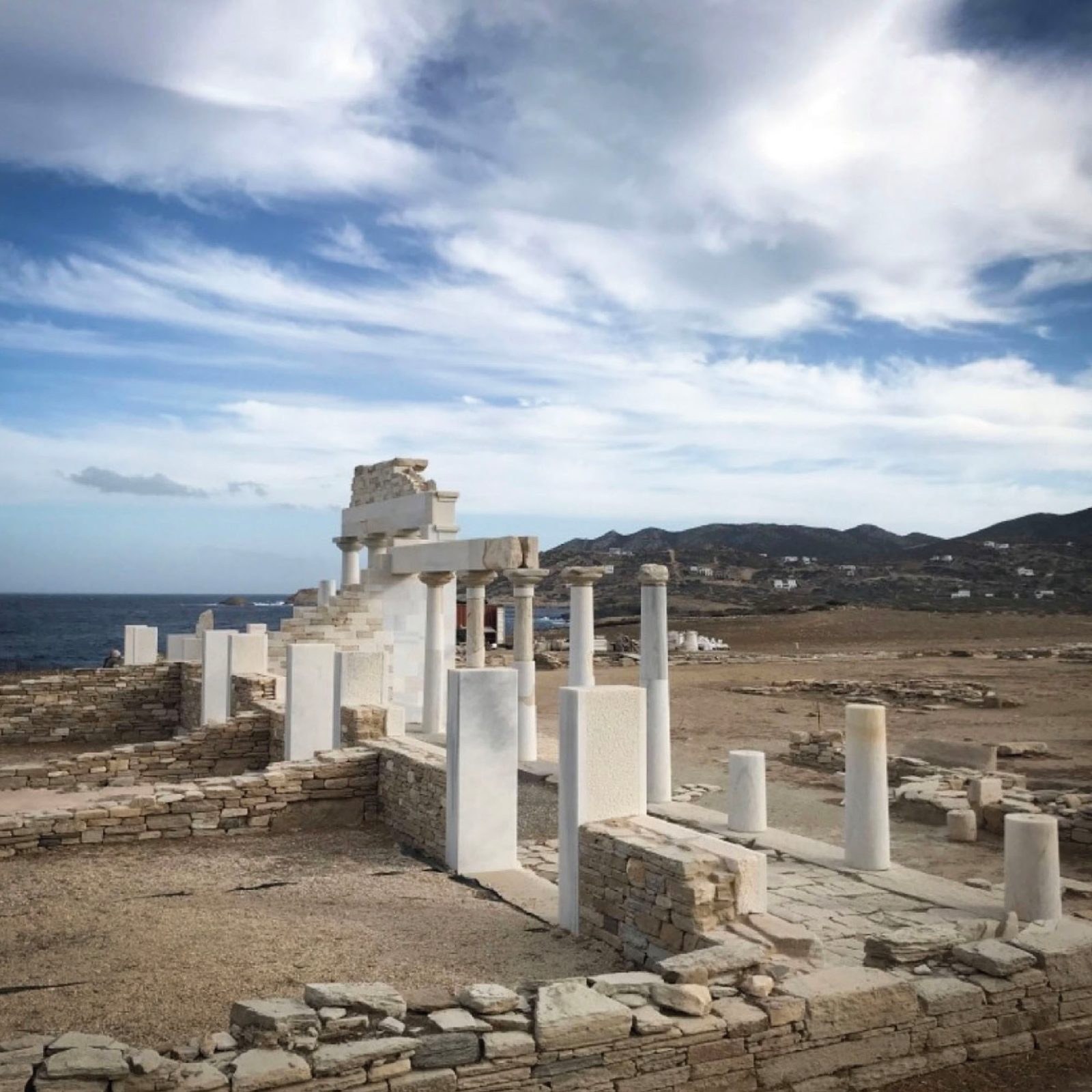
The marble sanctuary on Despotiko was largely unknown until 1997, when systematic excavation began at Mandra and revealed an Archaic complex dedicated to Apollo that rivals the scale of anything on Delos. Nobody lives on the islet. Goats outnumber archaeologists for most of the year, and the only practical approach is by water — which is why the antiparos & despotiko full day cruise from paros exists as a category at all rather than as a bus route with a ticket booth. What a visitor is actually dealing with is a working dig, not a monument. The address given for the site is simply Despotiko Island, 844 00, Greece, which tells you most of what you need to know about its infrastructure. Entry costs nothing because there is no gate to pay at. Conservation teams have re-erected columns of the hypostyle hall and restored sections of the temple, but the trenches, the storerooms and the surrounding tombs at Tsimintiri remain under study, and the permitted perimeter shifts with the season's fieldwork. A Paros to Antiparos boat tour typically pairs this stop with the Blue Lagoon anchorage and the sheltered water off Panteronisi, so the archaeology occupies part of a longer day rather than all of it. The context that makes the 10:00–16:00 arrival window sensible is meteorological as much as archaeological. The meltemi builds through the afternoon in high summer, the channel between Antiparos and Despotiko is shallow and exposed, and low-angle light flattens the white marble against the scrub. Within that window the foundations read clearly from the shoreline path. Outside it, conditions and visibility both deteriorate. Use the answer as a filter rather than an itinerary. Confirm with any operator that a Despotiko landing or close approach is genuinely part of the route, since some Cyclades island cruises pass the islet without stopping. Ask whether the vessel is a small caique, a catamaran or a RIB, because draught determines which coves it can enter. Anyone booking an antiparos & despotiko full day cruise from paros in late season should also confirm the sailing is still operating, as departure frequency falls sharply once the summer schedule ends. Weather cancellations are common and rebooking flexibility matters more here than on any land-based excursion.
“Nobody lives on Despotiko, and the only practical approach is by water.”
Reaching Despotiko requires a departure from Paros, typically starting from the ports of Parikia or Pounta, followed by a crossing of the Antiparos channel. Boat transit is the sole method to access the uninhabited island and the surrounding archaeological areas.
KTEL bus from Parikia to Pounta Port
Small ferry or cruise vessel from Pounta to Antiparos
Private or group cruise vessel from Parikia or Pounta to Despotiko
Coordinating your departure from Pounta provides the most direct sea route to Antiparos, minimizing transit time across the channel before the final leg to Despotiko.
The optimal window for an Antiparos and Despotiko cruise is between 10:00 and 16:00 to ensure stable sea conditions and sufficient daylight for viewing the archaeological perimeter. Visiting during the shoulder months provides the best balance of manageable winds and visitor density.
24°C–28°C; Dry with consistent sunshine.
These months offer a balance of warmth and manageable boat traffic. Sea conditions are generally favorable for navigation around the islands.
26°C–30°C; Hot with occasional strong winds.
This is the peak season for boat excursions. Expect frequent sailings and warmer water temperatures for swimming stops.
—
This window provides the best boat access to the perimeter of Despotiko. It ensures clear visibility for observing the excavation site under daylight.
Verdict: The best time for this excursion is between 10:00 and 16:00 during the months of June or September.
This plan suits first-time visitors joining a full day cruise from Paros who want to know how the hours are sequenced between sailing, swim stops, and the archaeological site. Expect roughly seven to eight hours from boarding to return, with the Despotiko landing falling inside the 10:00–16:00 arrival window.
Arrive at the departure quay with time to check in and hear the day's route order, which varies with wind direction. Allow 20–30 minutes before the boat casts off.
The boat runs the narrow channel between Paros and Antiparos, passing Diplo and the smaller islets. Around 45 minutes under way, so claim shade early if the deck is open.
A moored stop at one of the channel coves such as Panteronisi or Tourlos for swimming from the boat. Usually 45–60 minutes; step off with a towel and reef-safe sunscreen already applied.
Tender or beach landing at Despotiko for the walk up to the Sanctuary of Apollo. Roughly 60–90 minutes, viewed from the permitted perimeter of the excavation.
Circle the marked path around the restored marble columns, the hestiatorion foundations, and the archaic building complex. The ground is loose stone, so closed shoes help more than sandals.
Return crossing pauses at the Agios Georgios bay on Antiparos, where most boats serve or arrange lunch. Around an hour, with the last swim of the day here.
The final leg back to the Paros side runs about 45 minutes with the afternoon meltemi behind you. Sit midship if the swell picked up during the afternoon.
Despotiko is an active excavation rather than a formal visitor site, so conduct here directly affects the survival of the sanctuary of Apollo. Everything depends on visitors staying within the marked perimeter and treating the ruins as a working dig.
Everything you need to know about antiparos & despotiko full day cruise from paros
The archaeological site on Despotiko is an active excavation and not officially open to the public, though the ruins can be viewed from the permitted perimeter. Visitors should coordinate with authorized boat tours to ensure they remain within authorized zones.
The optimal time for boat access and visibility of the ruins is between 10:00 and 16:00. Scheduling your visit within this period ensures the best daylight conditions for viewing the landmarks from the water.
There is no cost to view the site, as the entrance fee is 0 EUR. Since the location is an active excavation zone rather than a public park, it remains free to observe from the perimeter.
A typical antiparos & despotiko full day cruise from paros generally spans several hours to allow for coastal navigation, swimming stops, and sightseeing. You should review specific tour itineraries to confirm the exact boarding times and return schedules.
Yes, families are generally welcome on boat tours, though visitors should verify specific operator age policies before booking. Ensure you pack sun protection and supplies, as the island is an active archaeological area without modern visitor facilities.
It is recommended to bring water, sun protection, and comfortable footwear for the boat deck. You should also ensure you have a camera for capturing images of the Aegean coastline and the ancient history of these Cycladic islands.